


In the world of analog photography, one name stands above all others as the ultimate symbol of luxury, optical perfection, and mechanical mastery: Leica. For over a century, these German-engineered masterpieces have been the choice of legendary street photographers, wartime photojournalists, and artistic purists.
Unlike mass-produced plastic bodies, a Leica film camera is built by hand with microscopic precision. Known for their near-silent cloth shutters, incredibly bright rangefinder viewfinders, and access to legendary M-mount lenses, owning a Leica is a lifetime investment. In fact, unlike most electronics, these cameras often hold or increase their value over time.
If you are ready to step into the elite world of rangefinder photography and want to know which models offer the best shooting experience today, here is the breakdown of the 5 best Leica film cameras worth buying.
Why Invest in a Leica Rangefinder?
Leica cameras require a completely different approach than standard SLRs. Here is why photographers save up thousands of dollars for them:
- The Rangefinder Experience: Instead of looking through the lens, you look through a separate viewfinder window with a bright center patch. You align two overlapping images to lock perfect focus, giving you absolute control and spatial awareness.
- Whisper-Quiet Shutters: Leica’s mechanical cloth shutters don’t make a loud “clack” sound like an SLR mirror. They make a soft “click,” making them the ultimate stealth tool for street photography.
- Compact, Iconic Engineering: Without an internal reflex mirror box, Leica bodies and lenses remain incredibly compact, flat, and lightweight without sacrificing full-frame quality.
Why Buying a Kodak Camera is Still Worth It for Retro Film Shots
5 Best Leica Film Camera Models Worth Buying
1. Leica M6 (The Undisputed Modern Classic)
The Leica M6 is arguably the most famous and desired 35mm rangefinder camera in history. Released in 1984, it took the classic mechanical chassis of older models and added a highly reliable, built-in electronic LED light meter window inside the optical viewfinder.


Specifications
- • Brand: Leica
- • Special Feature: Time-lapse
- • Item Weight: 5 Pounds
- • Model Name: Q3
- • Film Color: Black
- • Compatible Devices: Apple iPhone and iPad
- • Min Shutter Speed: 0.0025 seconds
- • Batteries: 1 Lithium-ion battery is required.
- • Compatible Mountings: Leica Q
- • Aspect Ratio: 16:9, 3:2
- • Photo Sensor Technology: BSI
- • Supported File Format: JPEG, RAW
- • Image Stabilization: Digital
- • Maximum Focal Length: 28 Millimeters
- • Maximum Aperture: 1.7 Millimeters
- • Expanded ISO Minimum: 100
- Key Highlight: Features a fully mechanical shutter that fires at all speeds without batteries; the battery is only used to power the simple traffic-light style internal light meter.
- Best For: Serious enthusiasts and street creators looking for the perfect blend of vintage mechanical feel and modern metering convenience.
🟢 Pros
- Built-in, highly accurate internal LED light meter.
- Fully mechanical operation fires perfectly even with dead batteries.
- Incredible global market resale value and high collector demand.
🔴 Cons
- Extremely expensive price tag due to immense internet popularity.
- Loading film requires removing the entire bottom baseplate.
2. Leica M3 (The Purist's Optical Masterpiece)
Introduced in 1954, the Leica M3 is the camera that defined the modern M-mount ecosystem. It features the largest, brightest, and most magnified ($0.91\times$) viewfinder Leica has ever made, making focusing 50mm and 90mm lenses an absolute dream.
Specifications
- • Brand: Leica
- • Special Feature: Time-lapse
- • Item Weight: 5 Pounds
- • Model Name: Q3
- • Film Color: Black
- • Compatible Devices: Apple iPhone and iPad
- • Min Shutter Speed: 0.0025 seconds
- • Batteries: 1 Lithium-ion battery is required.
- • Compatible Mountings: Leica Q
- • Aspect Ratio: 16:9, 3:2
- • Photo Sensor Technology: BSI
- • Supported File Format: JPEG, RAW
- • Image Stabilization: Digital
- • Maximum Focal Length: 28 Millimeters
- • Maximum Aperture: 1.7 Millimeters
- • Expanded ISO Minimum: 100
- Key Highlight: Completely mechanical, battery-free operation with an iconic, rugged chassis that feels like a solid block of metal in your hands.
- Best For: Photographers who primarily shoot with a 50mm lens and want the absolute pinnacle of vintage analog luxury.
🟢 Pros
- The brightest, highest-magnification viewfinder in rangefinder history.
- Zero electronics built to work flawlessly for a hundred years.
- Generally more affordable than the hyped M6 on the used market.
🔴 Cons
- No internal light meter; you must use an external or clip-on meter.
- Lacks native viewfinder framelines for wide lenses like 35mm.
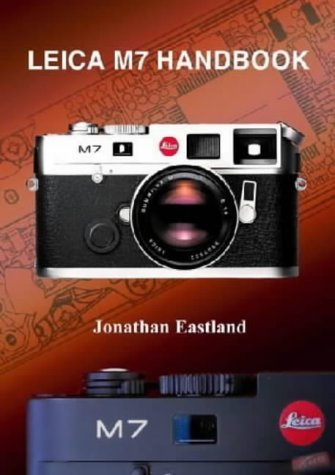
3. Leica M7 (The Electronic Auto-Exposure Choice)
For those who find manual shutter adjustments too slow for fast-paced environments, the Leica M7 bridges the gap. It introduces an electronically controlled focal-plane shutter that allows for a brilliant Aperture Priority automation mode.
Specifications
- • Item Weight: 14.9 ounces
- • Batteries: 1 Lithium-ion battery is required.
- Key Highlight: Stepless automatic shutter adjustment and cloth curtains that dramatically reduce vibrations during low-light handheld shooting.
- Best For: Wedding, travel, and portrait photographers transition from modern digital setups who need quick handling.
🟢 Pros
- Aperture Priority auto mode makes capturing candid moments instant.
- Includes DX-code reading support to automatically set film ISO speeds.
- Very clear and legible numeric LED shutter readouts inside the window.
🔴 Cons
- Completely dependent on batteries (only fires 1/60s and 1/125s manually if dead).
- Electronic computer circuit boards can be difficult to service if damaged.
4. Leica MA (Typ 127) (The Modern Mechanical Masterpiece)
If you want a brand-new camera but desire 100% mechanical purity, the Leica M-A is a breathtaking option. It contains absolutely no electronic components, no light meters, and no battery chambers. It is a tribute to pure mechanical watchmaking craft.


Specifications
- • Brand: Leica
- • Item Weight: 3.2 Pounds
- • Film Color: Silver
- • Compatible Devices: [POI] Partially Obtainable
- • Min Shutter Speed: 0.000125 seconds
- • Batteries: 1 Lithium-ion battery is required.
- • Compatible Mountings: Leica M
- • Aspect Ratio: 3:2
- • Photo Sensor Technology: BSI CMOS
- • Supported File Format: JPEG
- • Image Stabilization: Digital
- • Maximum Aperture: 1.8 Millimeters
- • Expanded ISO Minimum: 1
- • Metering Description: Advanced metering for accurate and high-quality image capture
- Key Highlight: Features a beautifully clean viewfinder window with absolutely zero distracting LED indicators, allowing you to focus entirely on composition.
- Best For: Purists with a high budget who want a brand-new mechanical camera with a full modern warranty.
🟢 Pros
- Can still be bought brand new straight from factory production lines.
- Incredibly sleek, clean, and stealthy design with no front red logo dot.
- Flawless, completely frictionless mechanical dials and winding stroke.
🔴 Cons
- Premium modern boutique pricing makes it a massive financial investment.
- Requires you to completely guess exposure settings or use hand meters.
5. Leica Minilux (The Premium Luxury Point & Shoot)
If traditional interchangeable M-rangefinders are out of your price range or too intimidating, the Leica Minilux is a gorgeous pocket-friendly titanium alternative. It features an incredibly sharp, built-in Summarit $40\text{mm}$ f/2.4 lens that produces world-class contrast and bokeh layers.

Specifications
- • Brand: Leica
- • Special Feature: Travel
- • Model Name: 19126
- • Film Color: light gold
- • Batteries: 1 Lithium-ion battery is required.
- • Compatible Mountings: Micro Four Thirds
- • Aspect Ratio: 4:3
- • Photo Sensor Technology: CMOS
- • Supported File Format: RAW/JPEG
- • Image Stabilization: Optical
- • Maximum Focal Length: 360 Millimeters
- • Maximum Aperture: 3.3 Millimeters
- • Expanded ISO Minimum: 100
- • Metering Description: Multi-zone, center-weighted, spot
- Key Highlight: Solid titanium shell construction with automatic motorized focus and simple exposure tracking modes.
- Best For: Luxury travelers who want high-end Leica rendering in a casual, pocketable form factor.
🟢 Pros
- Built-in Summarit 40mm lens matches the quality of $2000 standalone glass.
- Beautiful titanium outer shell that stands up well to surface scratches.
- Automated ease allows for super fast point-and-shoot snapshot handling.
🔴 Cons
- The internal electronics can occasionally show the dreaded "E02 shutter error".
- The optical viewfinder window is notably small compared to M rangefinders.
Comparison Table: Finding Your Perfect Leica Match
Here is a quick breakdown to help you compare your favorite Leica setups:
| Camera Model | System Type | Light Metering | Best Match For |
|---|---|---|---|
| Leica M6 | Mechanical Rangefinder | Built-in LED Meter | All-Round Serious Enthusiasts |
| Leica M3 | Mechanical Rangefinder | None (Fully Manual) | 50mm Frame Purists & Collectors |
| Leica M7 | Electronic Rangefinder | Aperture Priority Auto | Fast-Paced Candid Street Shooters |
| Leica M-A | Modern Mechanical | None (Pure Mechanical) | High-End Boutique Luxury Buyers |
| Leica Minilux | Premium Point & Shoot | Automated Matrix | Luxury Compact Travel Outings |
Frequently Asked Questions (FAQs)
Q1: Why are vintage Leica film cameras so expensive compared to regular SLRs? +
Unlike mass-produced consumer SLRs made out of modular plastic components, vintage Leica cameras were built entirely by hand using premium heavy brass, steel, and exceptional optical glass alignment in Germany. Their scarcity, bulletproof longevity, and legendary status in history make them appreciate in financial value over time.
Q2: Can I use third-party lenses on a Leica M-series film camera body? +
Yes! Because the Leica M-mount has been an industry standard for decades, brands like Voigtlander and Zeiss make extraordinary, razor-sharp manual focus lenses that mount natively onto Leica bodies for a fraction of the cost of original Leica Summicron glass.
Q3: Is a rangefinder camera difficult to learn for absolute beginners? +
It takes a few days to get used to aligning the double-image focus patch in the center window, especially compared to looking through a traditional SLR prism box. However, once your muscle memory adapts, rangefinder focusing is incredibly fast, precise, and offers unparalleled compositional spatial awareness.
Leave a Reply