

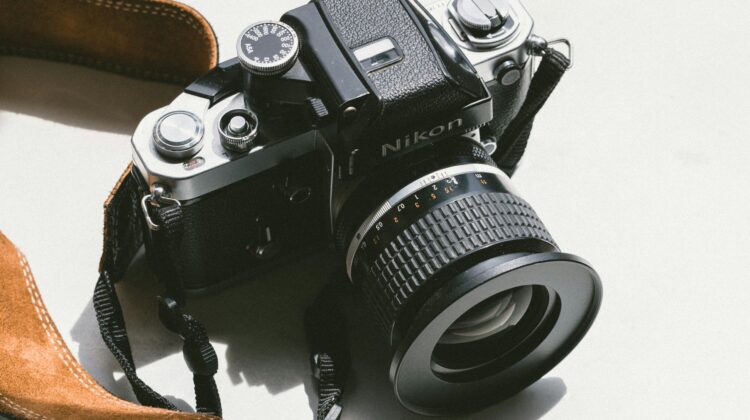
When it comes to the golden age of analog photography, few names carry as much weight, respect, and prestige as Nikon. For decades, professional photojournalists, studio creators, and street enthusiasts relied on the rugged reliability and razor-sharp optical performance of the Nikon eco-system to capture iconic historical moments.
Today, as the vintage film movement continues to sweep through a new digital generation, choosing a Nikon film camera is one of the smartest investments you can make. Known for their legendary mechanical engineering, bright viewports, and backward compatibility with vintage Nikkor glass, these bodies offer the perfect entry point into pure retro aesthetics.
How to Use Disposable Camera Correctly
If you want to step away from modern smartphone automation and experience the authentic tactile joy of manual exposure, here is a breakdown of why this system dominates the community along with the 5 best models worth buying today.
Why Choose a Nikon for Analog Photography?
Before diving into specific models, it helps to understand why vintage enthusiasts lean so heavily toward this legendary lineup:
-
The F-Mount Advantage: Nikon famously retained its physical F-mount bracket from 1959 all the way into the modern digital era. This means you can mount stunning, ultra-sharp vintage Nikkor manual focus lenses onto dozens of different bodies without needing clunky third-party adapters.
-
Bulletproof Mechanical Build: Classic bodies like the FM series are entirely mechanical. They use internal batteries solely to power the tiny ambient light meter window the actual shutter mechanisms fire completely without battery power.
-
Flawless Light Metering: Nikon pioneered matrix and center-weighted light metering systems that accurately analyze shadows and highlights, saving you money on wasted, poorly exposed film frames.
5 Best Nikon Film Camera Models Worth Buying:
1. Nikon FE2 (The Ultimate All-Rounder):
The Nikon FE2 is widely celebrated as one of the most reliable electronic 35mm SLRs ever built. It features an advanced copper-aluminum alloy shutter mechanism capable of firing at an impressive top speed of $1/4000\text{s}$, giving you total creative control over wide-aperture lenses even under blinding midday sun exposure.


Specifications
- • Brand: Nikon
- • Special Feature: Titanium Shutter, AI-s Lens System
- • Film Format Type: 35mm
- • Included Components: Camera Body & Lens
- • Model Name: FE2
- • Film Color: Colored
- • Compatible Devices: Camera
- • Batteries: 1 Lithium-ion battery is required
- • Shutter Type: Focal Plane Shutter
- • Unit Count: 1.0 Count
- • UPC: 657768874451
-
Key Highlight: Features a highly intuitive electronic Aperture Priority automation mode. You manually choose your desired f-stop, and the body calculates the exact matching shutter timing automatically.
-
Best For: Intermediate hobbyists looking for a seamless blend of manual control and automatic tracking support.
🟢 Pros
- Incredibly fast 1/4000s top shutter speed for bright days.
- Highly reliable and accurate Aperture Priority auto mode.
- Bright viewfinder screen with simple analog needle tracking.
🔴 Cons
- Requires working battery cells to unlock electronic shutter speeds.
- Pre-flash metering system can drain custom cell power over time.
2. Nikon FM2 (The Bulletproof Mechanical Icon):
If your primary goal is absolute mechanical dependability without relying on complex electronics, the fully manual Nikon FM2 is an undisputed masterpiece. It is famous for operating flawlessly in extreme cold or hot environmental conditions because it does not have a computer motherboard inside.


Specifications
- • Brand: BolinUS
- • Film Color: Black
- • Compatible Devices: Cameras
- • Batteries: 1 Lithium-ion battery is required
- • Form Factor: Cover
- • Shell Type: Soft
- Key Highlight: Completely mechanical titanium or aluminum foil vertical shutter array that functions seamlessly at any speed setting without any internal battery capacity.
- Best For: Purists who want an unbreakable camera that forces them to learn manual exposure control from scratch.
🟢 Pros
- 100% mechanical engineering fires completely without batteries.
- Legendary heavy-duty construction that easily handles rough drops.
- Excellent resale market value due to permanent high collector demand.
🔴 Cons
- Zero automatic shooting modes everything is fully manual.
- Body pricing can be slightly high due to its internet cult status.
3. Nikon F3 (The Professional Choice):
Designed by legendary Italian industrial stylist Giorgetto Giugiaro, the heavy-duty Nikon F3 was adopted as the official workspace tool for global press journalists throughout the 1980s. It features a stunningly bright high-eyepoint optical viewfinder window that is incredibly comfortable for glasses wearers.


Specifications
- • Brand: Nikon
- • Special Feature: Compact
- • Item Weight: 1.2 Grams
- • Model Name: F3
- • Film Color: Black
- • Compatible Devices: camera
- • Min Shutter Speed: 8 seconds
- • Batteries: 1 Lithium-ion battery is required
- • Compatible Mountings: Nikon F
- • Aspect Ratio: 3:2
- • Photo Sensor Technology: CMOS
- • Supported File Format: JPEG
- • Image Stabilization: false
- • Maximum Focal Length: 100 Millimeters
- • Maximum Aperture: 1.4 Millimeters
- • Metering Description: Center Weighted
- Key Highlight: Professional build quality with an extremely smooth manual film advance lever mechanism and liquid crystal display (LCD) readouts inside the viewfinder chamber.
- Best For: Creators who want a robust, top-tier professional studio workhorse with a rich historical legacy.
🟢 Pros
- Massive, swappable High-Eyepoint viewfinder for extreme viewing comfort.
- Pro-grade build quality with deep, comfortable rubberized handgrips.
- Incredibly smooth silk mechanical film winding mechanical gear feel.
🔴 Cons
- Slightly heavy and bulky setup for lightweight street travel tasks.
- The internal LCD meter display can slowly fade out after decades of use.
4. Nikon EM (The Compact Budget Pick):
If you find traditional all-metal SLRs too heavy, bulky, or intimidating, the ultra-lightweight Nikon EM is a hidden gem. Released as an entry-level pocket-friendly model, it operates almost entirely in automated Aperture Priority mode, turning film photography into a fun, point-and-shoot style experience.


Specifications
- • Brand: Nikon
- • Special Feature: Multi-CAM 3500FX II 51-Point AF System
- • Item Weight: 1.66 Pounds
- • Model Name: 1582
- • Film Color: Black
- • Compatible Devices: Computers, External Storage Devices, Smartphone, Tablet
- • Min Shutter Speed: 30 Seconds
- • Batteries: 1 Lithium-ion battery is required
- • Compatible Mountings: Nikon F
- • Aspect Ratio: 16:9, 3:2
- • Photo Sensor Technology: CMOS
- • Supported File Format: JPEG, Raw
- • Image Stabilization: Digital
- • Maximum Focal Length: 140 Millimeters
- • Optical Zoom: 5 x
- • Maximum Aperture: 3.5 f
- • Expanded ISO Minimum: 50
- Key Highlight: Compact, lightweight polycarbonate construction shell that pairs beautifully with small pancake lenses for everyday street shooting.
- Best For: Absolute beginners or travelers on a budget who want genuine vintage analog rendering without manual stress.
🟢 Pros
- Highly affordable budget model compared to heavy metal F-series.
- Super compact structure that slips easily into light carry pockets.
- Foolproof point-and-shoot simplicity via active automated modes.
🔴 Cons
- Lacks any dedicated manual control dials for intermediate tracking.
- More plastic elements inside the core structural shell chassis.
5. Nikon F100 (The Modern Autofocus Powerhouse):
For photographers transitioning from modern digital DSLRs or mirrorless systems, the Nikon F100 offers the ultimate comfort zone. It bridges the gap between old-school film layers and modern electronic conveniences, featuring fast multi-point autofocus tracking, automatic motorized film winding, and ergonomic dials.


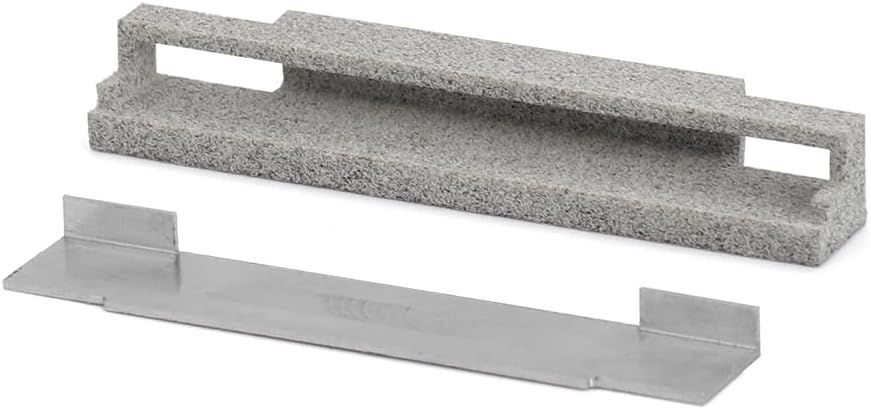
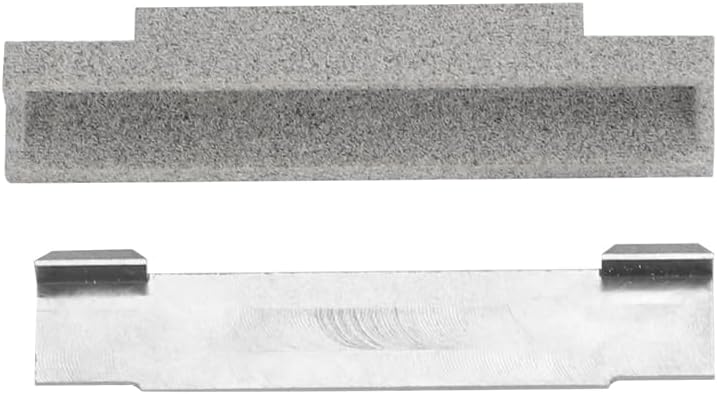
Specifications
- • Brand: AUTOVIC
- • Item Weight: 1.76 ounces
- • Item dimensions L x W x H: 3.94 x 1.97 x 1.97 inches
- • Batteries: 1 Lithium-ion battery is required
- • Date First Available: November 6, 2025
- Key Highlight: Advanced 3D Matrix metering module that handles complex lighting conditions effortlessly, ensuring your expensive film rolls are perfectly exposed.
- Best For: Wedding, portrait, or action photographers who need modern speed, accuracy, and quick handling on film.
🟢 Pros
- Lightning-fast multi-point active autofocus array locks targets instantly.
- Motorized internal transport advance rolls and rewinds film seamlessly.
- Compatible with modern advanced digital G-type and AF lenses.
🔴 Cons
- Lacks the old-school retro styling; looks like a modern black DSLR.
- Consumes standard battery packs much faster due to continuous motorized use.
Comparison Table: Finding Your Perfect Match
Here is a quick reference table to match each classic camera with your specific shooting style:
| Camera Model | Core Shutter Type | Top Shutter Speed | Best Target Audience |
|---|---|---|---|
| Nikon FE2 | Electronic / Hybrid | 1/4000s | All-Round Enthusiasts |
| Nikon FM2 | Fully Mechanical | 1/4000s | Purists & Travel Explorers |
| Nikon F3 | Electronic Professional | 1/2000s | Serious Collectors & Pros |
| Nikon EM | Electronic Automation | 1/1000s | Absolute Budget Beginners |
| Nikon F100 | Modern Autofocus | 1/8000s | Action & Digital Converts |
Where to Find and Buy These Classic Models?
Unlike buying modern digital gear, you cannot walk into a regular retail store to buy a brand-new vintage camera setup. To find bodies that are fully operational, tested, and light-sealed, you should target these reliable avenues:
Frequently Asked Questions
Q1: Can I use modern digital Nikon lenses on these vintage film cameras? +
Yes, due to Nikon's legendary F-mount compatibility, many modern lenses will physical mount. However, newer G-type or E-type lenses lack a physical aperture ring, meaning they will only shoot at their smallest aperture (f/22) on older manual bodies like the FE2 or FM2. For the best retro experience, stick to manual focus AI or AI-s vintage glass.
Q2: Do these vintage Nikon bodies require a battery to operate? +
It depends on the model. Fully mechanical bodies like the Nikon FM2 only use small button cell batteries to power the light meter; the camera can still fire all its shutter speeds even if the battery is completely dead. Electronic models like the FE2, F3, and EM require battery power to operate their primary shutter mechanisms.
Q3: Which vintage Nikon film camera is best for an absolute beginner? +
The Nikon FE2 or Nikon EM are the best starting points for beginners. The FE2 offers an Aperture Priority mode that automatically sets the shutter speed for you, making it easy to get perfectly exposed shots while you are still learning how film handles ambient light lines.
Leave a Reply